
Pichincha Tour
ecuador-galapagos
14 Nights from £7,478

Our month by month guide on the weather, activities and wildlife you are likely to encounter.
The Galapagos Islands are ideal to visit any month of the year, yet there are differences in what you can see and do depending on the month you visit. Most of the species are endemic to the Galapagos Islands and can be seen all year round including many small bird species, penguins, sea lions, marine and land Iguanas, the Galapagos hawk, Darwin's finches, giant tortoises, flamingoes, red, blue and nazca boobies, flightless cormorants, magnificent and great frigate birds, manta rays, orca whales, dolphins, sperm whales, sharks, whale sharks and sea turtles.
The migration, mating, nesting and hatching seasons are at certain times - see the wildlife highlights below:
Weather and sea temperatures also vary by month, so if you prefer snorkelling without a wetsuit, then it is best to travel from February to April when the sea water temperatures are warmer. If your interest is walking, hiking and exploring ashore, then the slightly cooler months from July to October are a good option.
January
Average air temperatures: 22-30° C
Average water temperatures: 24.5° C
Warmer water and greater visibility for snorkelling and sea activities. Clear skies for stargazing.
Wildlife highlights:
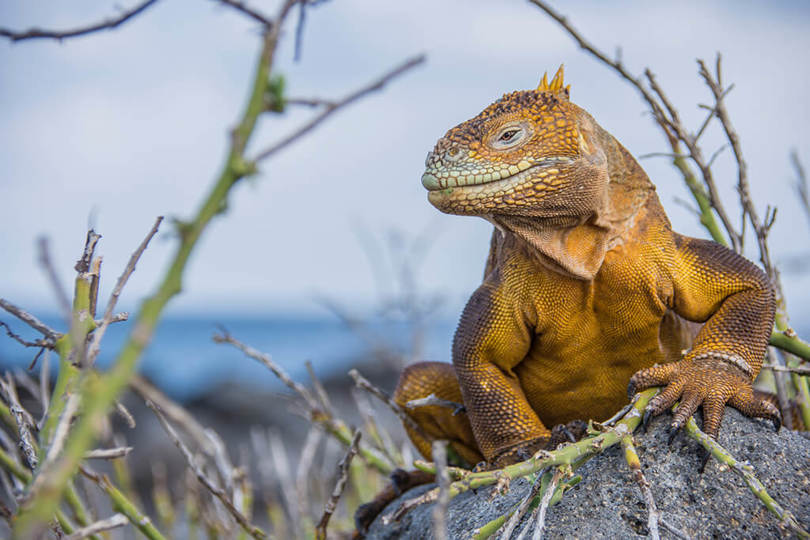
February
Average air temperatures: 24-30° C
Average water temperatures: 25° C
Warmer water and greater visibility for snorkelling and sea activities. Clear skies for stargazing.
Wildlife highlights:
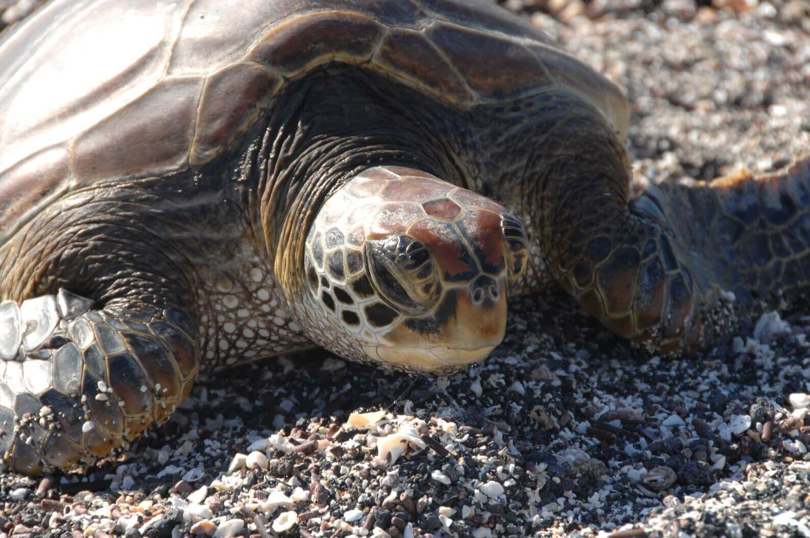
March
Average air temperatures: 24-31° C
Average water temperatures: 25° C
Warmer water and greater visibility for snorkelling and sea activities. Clear skies for stargazing.
Wildlife highlights:
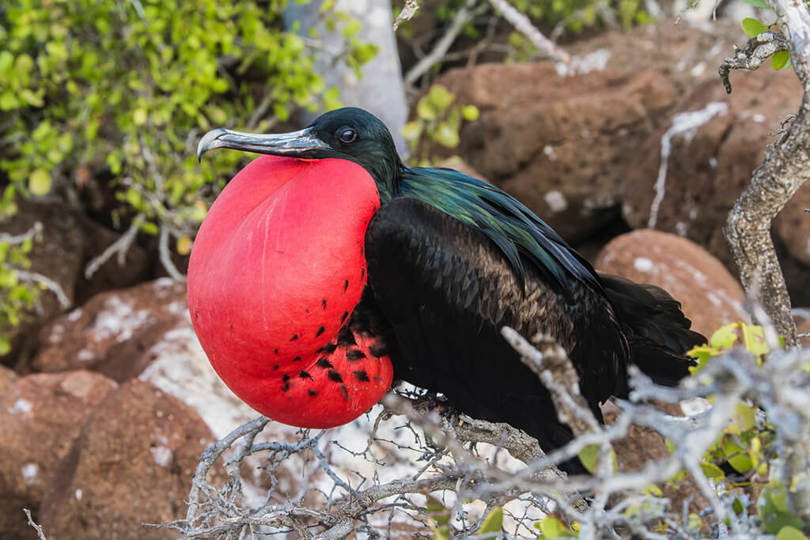
April
Average air temperatures: 24-31° C
Average water temperatures: 25° C
Warmer water and greater visibility for snorkelling and sea activities. Clear skies for stargazing.
Wildlife highlights:
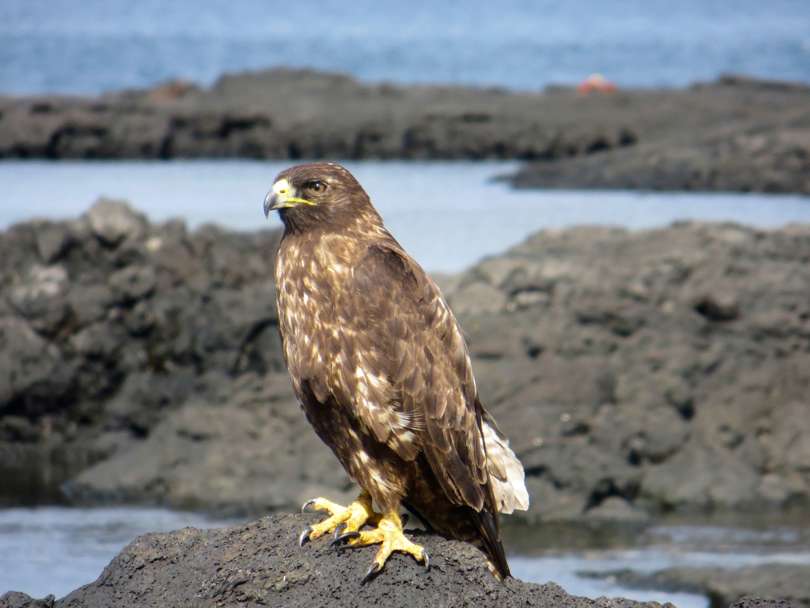
May
Average air temperatures: 22-28° C
Average water temperatures: 24.5° C
Warmer water for snorkelling and good opportunities to see larger fish, clear skies for stargazing.
Wildlife highlights:
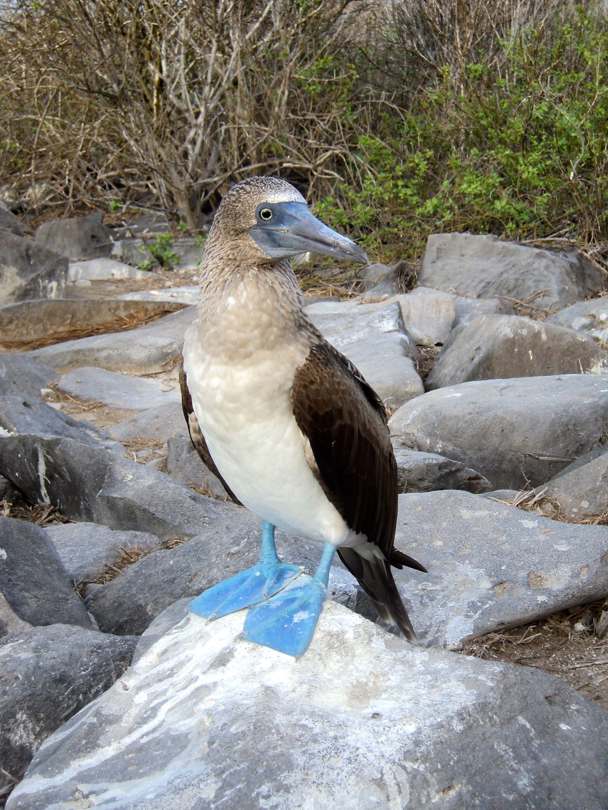
June
Average air temperatures: 21-26° C
Average water temperatures: 23° C
Good month to see the widest varieties of fish when snorkelling and sea activities. Clear skies good for star gazing.
Wildlife highlights:
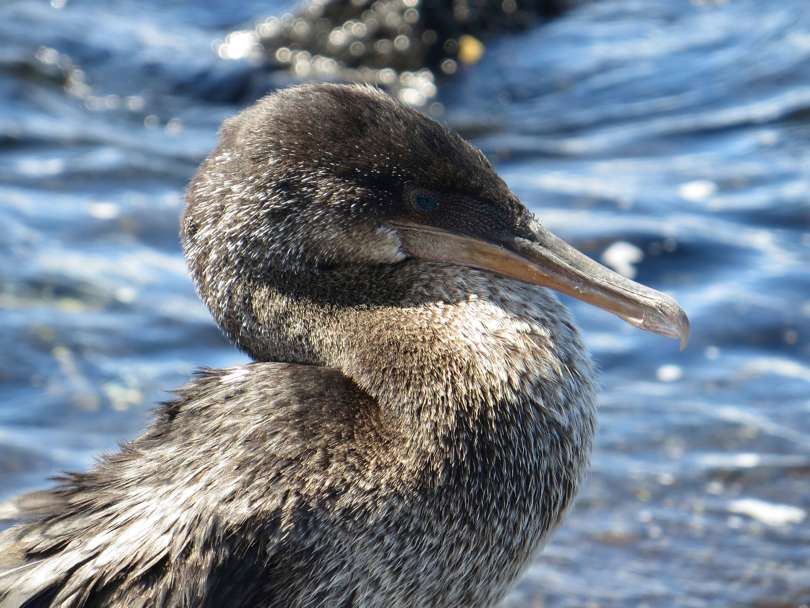
July
Average air temperatures: 20-26° C
Average water temperatures: 22° C
Good month to see the widest varieties of fish when snorkelling and sea activities. Clear skies with scattered clouds - still good for stargazing. Good air temperatures for walks and hikes ashore.
Wildlife highlights:
August
Average air temperatures: 19-26° C
Average water temperatures: 21.5° C
Good month to see the widest varieties of fish when snorkelling and sea activities. Clear skies with scattered clouds - still good for stargazing. Good air temperatures for walks and hikes ashore.
Wildlife highlights:
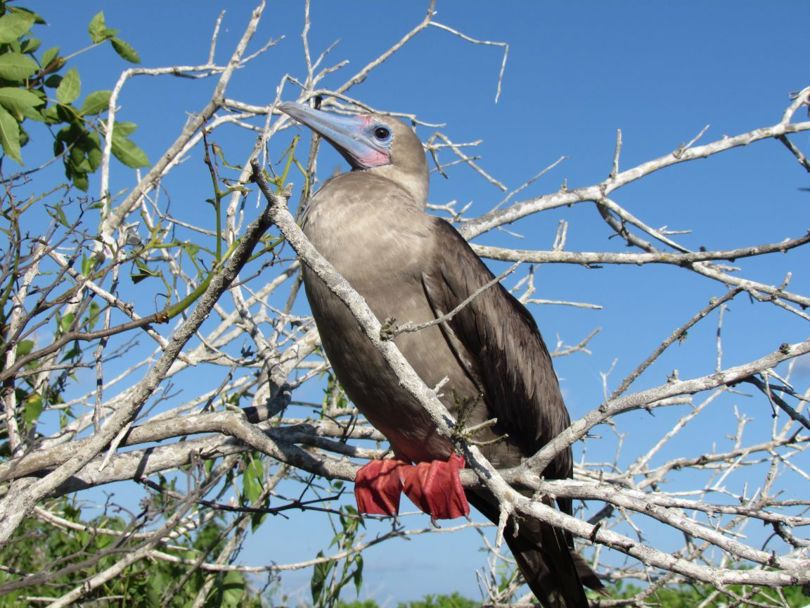
September
Average air temperatures: 19-26° C
Average water temperatures: 21.5° C
Good month to see the widest varieties of fish when snorkelling and sea activities. Clear skies with scattered clouds - still good for stargazing. Good air temperatures for walks and hikes ashore.
Wildlife highlights:
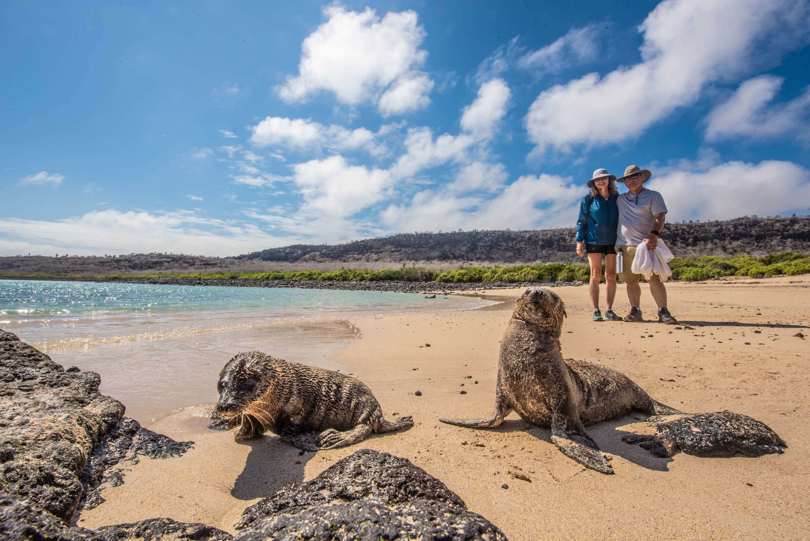
October
Average air temperatures: 20-26° C
Average water temperatures: 22.5° C
Best month seeing the widest varieties of fish when snorkelling and sea activities. Clear skies with scattered clouds - still good for stargazing. Good air temperatures for walks and hikes ashore.
Wildlife highlights:
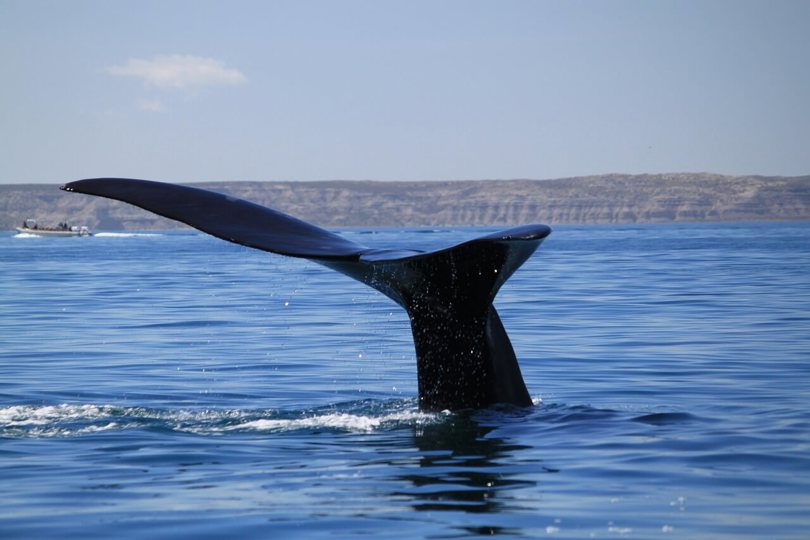
November
Average air temperatures: 21-26° C
Average water temperatures: 23° C
Best month seeing the widest varieties of fish when snorkelling and sea activities. Clear skies with scattered clouds - still good for stargazing.
Wildlife highlights:
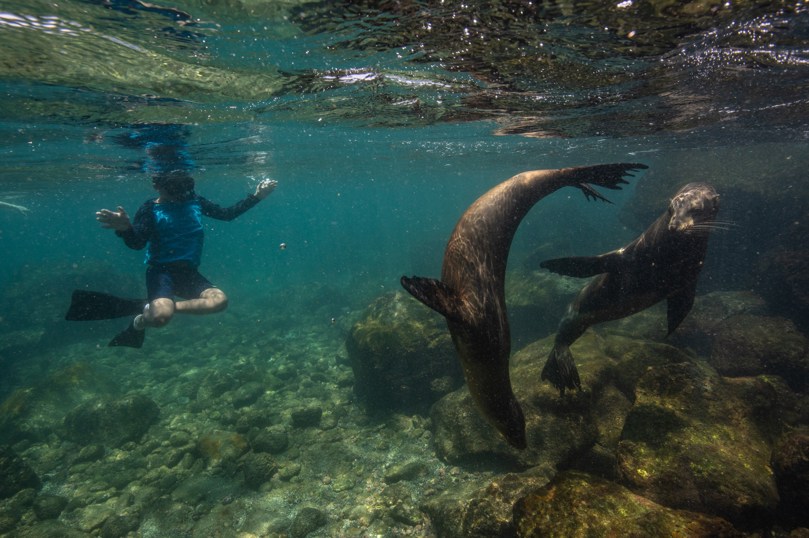
December
Average air temperatures: 22-27° C
Average water temperatures: 22.5° C
Best month seeing the widest varieties of fish when snorkelling and sea activities. Clear skies with scattered clouds - still good for stargazing.
Wildlife highlights:
View our portfolio of Private Tour Itineraries to match your interests and preferences. Select your criteria:
View More Tours
ecuador-galapagos
14 Nights from £7,478

ecuador-galapagos
19 Nights from £7,936

ecuador-galapagos
13 Nights from £6,148

ecuador-galapagos
9 Nights from £5,188

peru, ecuador-galapagos, brazil, bolivia
25 Nights from £9,566

peru, ecuador-galapagos
15 Nights from £7,652

ecuador-galapagos
9 Nights from £13,374

ecuador-galapagos
9 Nights from Please Enquire

ecuador-galapagos
9 Nights from £7,156

ecuador-galapagos
9 Nights from £6,136

ecuador-galapagos
14 Nights from £8,556