
Isolated and tempestuous, the "White Continent" is a paradise of nature, the ultimate destination for a voyage to explore the frozen wilderness.
Watch the Video. Humans have a duty to look after the wellbeing of our planet and protect wildlife, birds and delicate eco-systems. Nowhere is this more true than in Antarctica: the continent with no native humans and where vast numbers of penguins, seals and seabirds, most of whom are unafraid of humans thrive. Observe beautiful white snow petrels, penguin chicks, basking seals and giant humpback whales on the sun deck of your expedition ship and on a guided excursion ashore.
Few journeys can justify the tag of 'unforgettable' better than those to the coldest, driest, windiest and most remote and unspoilt place on earth. Antarctica is a land of multi-coloured ice caps, glistening glaciers and towering snow-capped mountains, who's very name conjures up thoughts of epic adventures and heroic discoveries. But thanks to a fleet of sophisticated and comfortable expedition cruise ships, you can to get up close and personal with the icy landscape and wildlife of Antarctica.
Watch this video of Antarctica (in french), as no-one has ever seen it: Antarctica diving to explore glaciers, wildlife and flora deep on the sea floor. Also Antarctica's Leopard Seals and further afield, the Orcas of Crezot
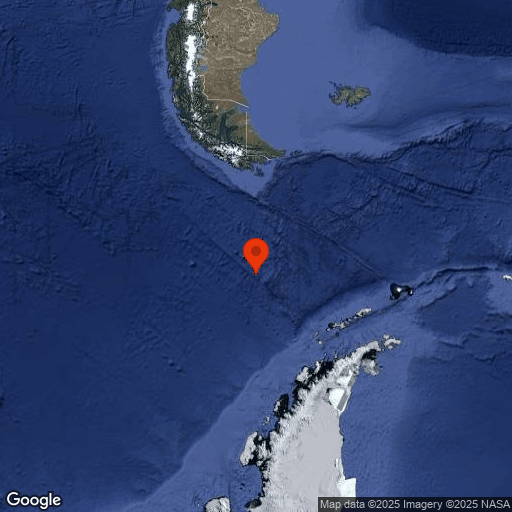
Depart from from Ushuaia, Argentina to cross the Drake Passage. The cruise ships constantly monitor the weather forecast to avoid intense storms and choose the best time to sail. The crossing takes three days each way, in which you can enjoy lectures on board, socialise and watch the ocean from the comfort of the ship. Alternatively, take a fly-cruise direct to the Antarctic Peninsula and avoid the days at sea through Drake.
Many cruise itineraries include the Falkland Islands, South Georgia and the South Sandwich Islands.
Tour Suggestions

brazil, argentina, antarctica
Christmas or New Year in Antarctica Cruise Tour
19 Nights from £14,989
Rio de Janeiro - Iguazu Waterfalls - Buenos Aires - Antarctic Peninsula Christmas or New Year Cruise - Buenos Aires

antarctica
Antarctic Peninsula Tour
12 Nights from £9,986
Buenos Aires - Ushuaia - Antarctica Peninsula Cruise - Buenos Aires

chile, antarctica
Orca Tour
17 Nights from £16,427
Santiago de Chile - Torres del Paine - Silver Cloud Antarctica Cruise - Puerto Williams - Santiago de Chile - Valparaiso

brazil, argentina, chile, antarctica
Gentoo Tour
20 Nights from £16,927
Rio de Janeiro - Iguassu - Buenos Aires - Ushuaia - Antarctica Cruise - Buenos Aires

argentina, antarctica, falkland-islands, the-south-shetland-islands, south-georgia-island
Drake Tour
27 Nights from £14,495
Buenos Aires - Bariloche - Ushuaia - Falklands - South Georgia - South Sandwich - South Shetland - Antarctica Peninsula - Buenos Aires

brazil, argentina, chile, antarctica
Explorer Tour
33 Nights from £18,322
Rio de Janeiro - Iguassu - Buenos Aires - Bariloche - Crossing Andean Mountain & Lakes - Torres del Paine - Tierra del Fuego & Cape Horn Cruise…

antarctica
Antarctic Circle Tour
17 Nights from £13,630
Buenos Aires - Ushuaia - Antarctic Circle Expedition Cruise - Buenos Aires

brazil, argentina, antarctica
Peninsula Luxury Tour
23 Nights from £20,594
Rio de Janeiro - Iguassu Falls - Buenos Aires - Ushuaia - Antarctic Cruise in Style - Buenos Aires

Places to visit


Frequently Asked Questions
Every journey is unique, and questions are part of the process. This FAQ covers the most common topics to help you prepare, while our advisers are always on hand for more personal guidance.
Best Time to Visit Antarctica
When is the best time to visit Antarctica?
Antarctica is one of the world's most unique destinations, and travel is only possible during the austral summer, from November to March, when sea ice melts enough to allow expedition ships to reach the continent. Each part of the season offers distinct experiences, from pristine ice landscapes early on to abundant wildlife later in the summer.
November to Early December - Pristine Landscapes and Nesting Season
This is the start of the expedition season and one of the most beautiful times to visit. The ice is fresh and unspoiled, with dramatic scenery and bright light perfect for photography. Penguins and seabirds begin nesting, and large icebergs are at their most striking. Temperatures hover around -2 to 4°C, and daylight hours are long, often 20 hours or more near the Antarctic Circle, because fewer ships operate this early, the region feels even more remote and untouched.
Mid-December to January - Peak Summer and Wildlife Activity
This is the peak travel period in Antarctica, offering the warmest temperatures of the year (around 0 to 5°C) and almost continous daylight. Penguin chicks begin to hatch, seals are active on the ice, and whales start arriving in greater numbers. It is also the best time for kayaking, photography, and zodiac excursions with calm seas and clear weather. Expect higher demand for cabins during this period, so early booking is essential.
February to March - Whales and Soft Light
Late summer brings the best time for whale watching, with humpbacks, minkes, and orcas, feeding close to the ships. Penguin colonies are still active as chicks grow and prepare to fledge, and the low sun angle creates softer light, ideal for photographers. Sea ice retreats to its furthest extent, allowing expeditions to reach deeper into the Antarctic Peninsula and even the Weddell or Ross Seas on select voyages. Temperatures remain mild for the region, around -2 to 3°C.
Antarctica Travel FAQS
Do I need a visa to visit Antarctica?
No visa is rquired to visit Antarctica itself, as it is not governed by any one nation. However, you may need a visa for the country from which your expedition departs, most commonly Argentina (Ushuaia) or Chile (Punta Arenas). Travellers should check the entry requirements for these countries before departure.
How do I get to Antarctica?
Most travellers reach Antarctica by expedition ship or flight from South America
- Cruises typically depart from Ushuaia, the souther tip of Argentina, crossing the Drake passage to the Antarctic Peninsula in about two days.
How long should I spend in Antarctica?
Most Antarctic expeditions last 10-14 days, including travel to and from South America. Longer voyages of up to 20 days may include Falkland Islands and South Georgia, offering a wider range of wildlife and landscapes.
Is it safe to travel to Antarctica?
Yes, Antarctic expeditions are led by expert teams and follow strict environmental and safety regulations under the Antarctic Treaty System. Ships are equipped in advanced navigation and medical facilities, and landings are carefully managed to protect both travellers and wildlife.
What wildlife can I see in Antarctica?
Wildlife sightings vary by month and location, but you can expect to encounter:
- Penguins: Adelie, gentoo, chinstrap, and emperor species.
- Whales: Humpback, minke, orca, and fin whales.
- Seals: Weddell, leopard, and crabeater seals.
- Seabirds: Suka, petrel, and albatross species.
How cold does it get in Antarctica?
During the travel season (November to March), coastal temperatures typically range from -2°C to 5°C. While it can feel chilly due to wind and sea spray, the summer weather is surprisingly mild and manageable with the right clothing.
What should I pack for Antarctica?
Layering is key. Bring:
- A waterproof and windproof parka (often provided by expedition operators)
- Insulated boots
- Warm baase layers, gloves, and hats
- Sunglasses and sunscreen (the sun's reflection on ice can be strong)
- Binoculars and camera equipment with extra batteries
Can I visit Antarctica independetly?
No, travel to Antarctica is strictly controlled for environmental protection. Visitors must travel with a licensed expedition operator approved by the International Association of Antarctica Tour Operators (IAATO).
Which countries can I combine with Antarctica?
Antarctica combines perfectly with Argentina or Chile, which serve as main departure points. Many travellers add time in Patagonia, Tierra del Fuego, or the Chilean Lake District before or after their expedition. For extended voyages, you can also include South Georgia and the Falkland Islands for exceptional wildlife experiences.
Antarctica Travel Essentials
Weather & Climate
Antarctica experiences constant daylay duriing summer, with average coastal temperatures between -2°C and 5°C. Winds can be strong, but the air is dry and crisp, making visibility excellent for photography and exploration.
Language & Communication
There is no official language in Antarctica. Onboard your expedition ship, communication is usually in English, and your guides will provide detailed briefings before each landing.
Currency & Payments
There are no ATMs or banks in Antarctica. All onboard expenses are charged in US dollars or Euros, depending on your expedition company. Credit cards are widely accepted on the ships.
Health & Safety
Expedition vessels carry trained medical staff and emergency equipment. Seasickness can occur during the Drake Passage crossing, consult your doctor for suitable medication before travel.
Travel Tips
- Keep a safe distance from wildlife, at least 5 metres from penguins and seals.
- Use biodegradable products to protect the pristine environment.
- Join all onboard briefings; they are informative and ensure minimal environmental impact.
- Bring a waterproof dry bag to proctect your camera and electronics during zodiac landings.
Specialist Knowledge
Since 1999, we have crafted unique itineraries using our technology and extensine first-hand travel experience and local inspections
Your Perfect Tour
Your holiday is tailored by our specialist advisors to match your preferences, interests and budget using our kowledge of each destination
The Best Local Guides
Our local guides are specialy selected as your hosts providing an authentic insight into local life, culture, activities and visits
Travel Confidence
Our organisation provides local tour services and guides so you travel with confidence, reliability and 24-hour support
Complete a form or call our specialist advisors to start planning your trip. Please provide as much information as possible, and we will aim to respond to your enquiry the same or next working day.