
Cordillera Real Tour
peru
14 Nights from £4,894

A trip to Peru is a wonderful culinary adventure, from award-winning fusion cuisine to tours of local markets, cooking classes and scenic valleys discovering the unique flavours of the Andes.
Peru is rightly recognised for it’s award-winning fusion cuisine, inspired by Peruvian and Japanese origins and developed by famous chefs, available in award-winning restaurants, particularly in Lima and Cusco.
When you travel with Veloso Tours to Peru, you will receive our up to date list of recommended restaurants in Lima. Our local guides are looking forward to showcasing best places to eat, visit local markets or learn to cook, depending on your interests.
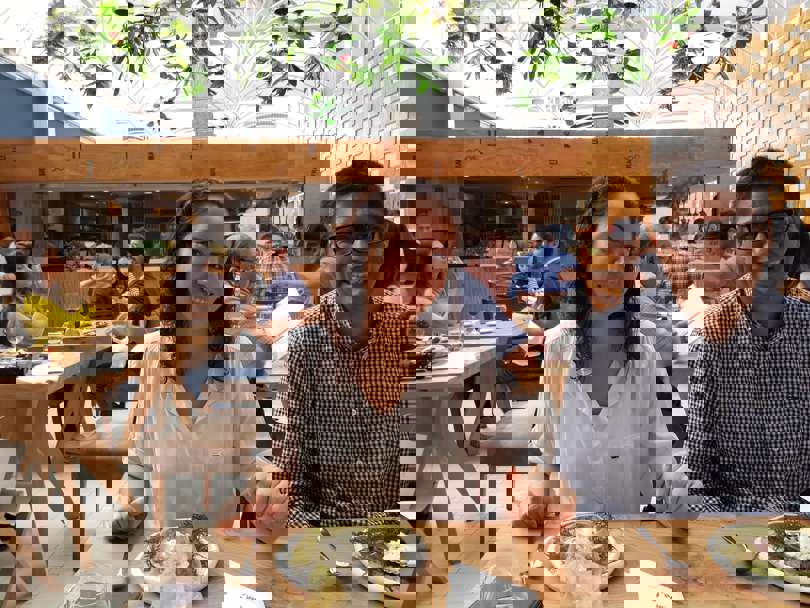
Award-winning restaurants in Lima and Cusco
Over the last few centuries, people from all over the world have made Peru their home. Chefs blend Peruvian ingredients and recipes and adapt them in their own style. The result is delicious and unique fusion cuisine including Spanish, Chinese, Japanese, African and Italian influences. It is not only fusion cuisine; Peru is endowed with many top chefs who have perfected and developed a unique Peruvian style.
Some of Lima’s restaurants are recognised (by the 2025 World’s Best Restaurant Awards) as the world’s best restaurants. In 2025, Lima had 2 entries in the top 50 best restaurants with Maido coming first:
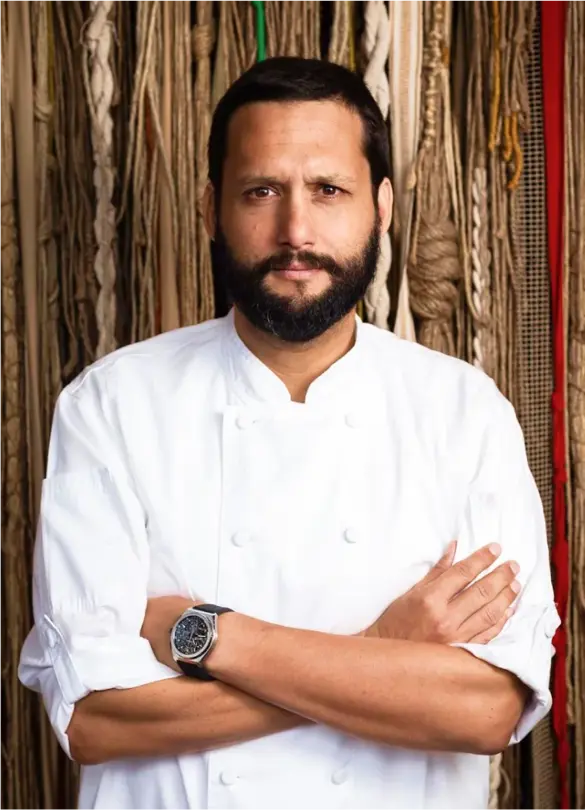
Miado - the world's best restaurant. Opened in 2009 in Lima’s elegant Miraflores district by the well-respected chef Mitsuharu ‘Micha’ Tsumura who was born in Lima and combines Japanese techniques and Peruvian ingredients into Nikkei cuisine. Enjoy delicacies such as The Triple, a combination of avocado, eggs, tomato and chashu (braised pork belly); and caracoles al sillao (soy sauce), sea snails, with yellow chilli foam and Nikkei sauce. Micha was also voted by his peers as the winner of the Estrella Damm Chefs’ Choice Award at The World’s 50 Best Restaurants 2024.
Central - Lima - 7th in the list of best restaurants in the world. An extraordinary experience awaits from this one of world’s most renowned restaurants, led by chef Virgilio Martínez. Central is celebrated for its innovative, hyper-local cuisine that highlights Peru’s diverse ecosystems, offering a unique and unforgettable dining experience. The tasting menu has 12 moments servings that showcase the diverse and changing Peru: from the coast to the Andes, and the Amazon. Each step explores a different ecosystem, connecting ingredients, seasons, and territories. Also visit MIL Centro (see below), located in the Sacred Valley, the Central restaurant's lab where many dishes are developed and ingredients sourced from local farmers working the land high in the Andes mountains. It is extraordinary.
Other restaurants in Lima in the top 50 restaurants in the world in 2024 are:
Kjolle - 6th best restaurant in 2024. The chef, Pía León, is famous for perfecting local ingredients. Her most recognisable dish is Many Tubers - toasted yellow and red slices of olluco, an Andean potato-like root, held together by a creamy oca paste served on a tart made from cañihua dough, a cereal similar to quinoa.
Mayta - 40th first best restaurant. Chef Jaime Pesaque’s refined Peruvian cuisine offers a nine-course tasting menu, including corn with tarwi (Andean beans) and quinoa flower, and ribs with fava beans. Colourful and delicious.
Visit San Pedro Market in Cusco
To discover the delights of Peruvian cuisine in Cusco, a visit to San Pedro market is a must. Here you can buy fresh Andean produce, prepared foods, breads, juices, handmade textiles, crafts, alpaca and llama clothing, nuts, cheese, grains, and even traditional dishes like caldo de cabeza.
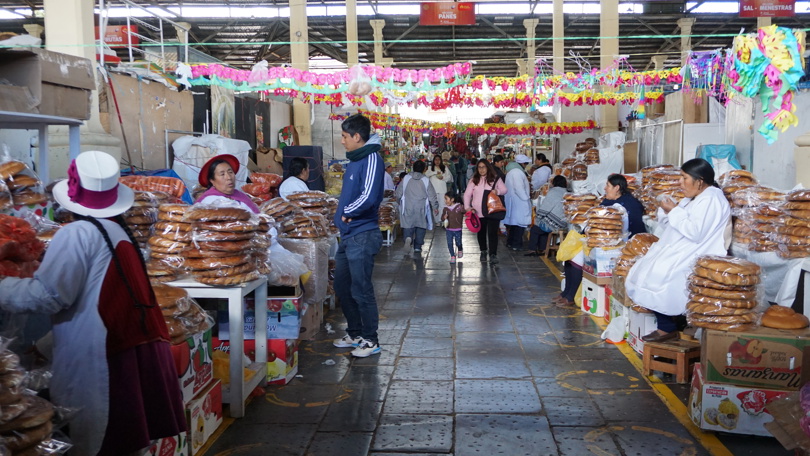
Our local guide will take you on a tour of the market exploring:
Food & Produce
Handmade Crafts, Textiles and other delights
Bargaining is common at the market, cash is preferred and the morning the best time to see the market come to life. A fascinating cultural experience.
Suggested highly regarded restaurants and cafes in Cusco & the Sacred Valley
It is not just in Lima where you can enjoy delicious cuisine. Cusco and the Sacred Valley are also renowned for its restaurants and cafes. Below are a few of our favourites:
1. Morena Peruvian Kitchen. Modern Andean fusion cuisine. A cozy spot with dishes like quinoa risotto, lomo saltado pizza, and Amazon-inspired ceviche.
2. Uchu Peruvian Steakhouse. Modern Peruvian (with international influences). Specialises in grilled meats with Andean spices, such as anticuchos de corazón (beef heart skewers) and Peruvian-style ribs.
3. Inkaterra La Casona (the Tasting Menu). Gourmet Peruvian fusion. This historic mansion offers a wonderful multi-course tasting menu with Andean ingredients.
4. Limbus Restobar. Andean fusion with a view. Offers a mix of Peruvian and international dishes, with a rooftop terrace overlooking Cusco. Try their causa rellena or Peruvian-style pasta.
5. Chicha por Gastón Acurio. Modern Andean. Named after the traditional corn drink chicha, this restaurant focuses on reinvented Andean classics like rocoto relleno (stuffed peppers) and quinoa-based dishes.
6. Museo del Café (Coffee and light meals with Andean ingredients).
7. MIL Centro
One of our highly recommended experiences in the Sacred Valley is MIL Centro, a unique upscale restaurant, located at over 3500 metres in Moray. The communities of Mullak'as-Misminay and K'acllaraccay share their ancestral wisdom about the rhythms of the land and the growing seasons, while MIL Centro’s team brings new applications and contemporary interpretations that translate into an experience of connection with the environment, before reaching the table.
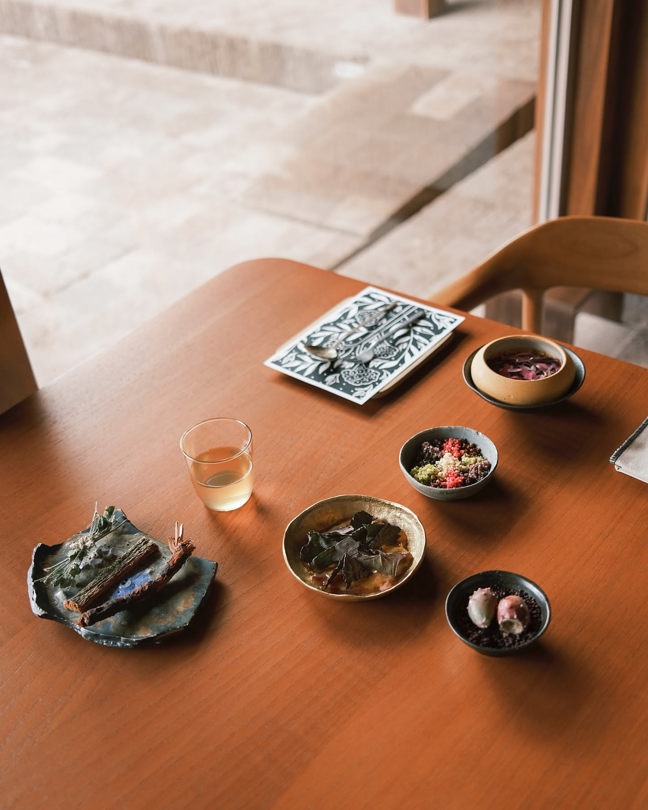
The ruins of Moray inspires the tasting menu; a journey through high-altitude ecosystems. Following the cycles of the land, the restaurant uses what each season offers. Their creative approach stems from respect for ancestral practices that have endured through time and aims to contribute to local biodiversity and the people who depend on it.
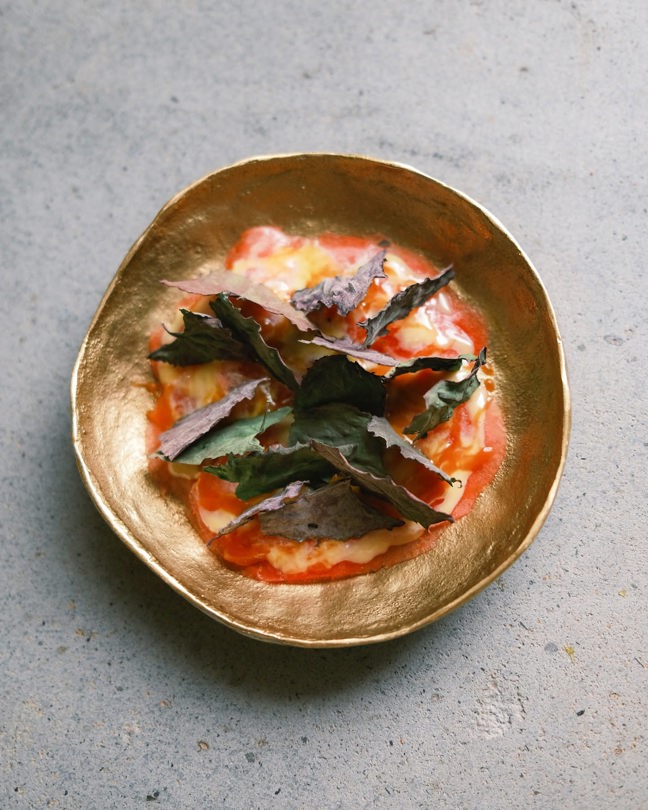
MIL Centro works alongside a close network of over 300 local producers, farmers, and artisans who live between 950 and 4,200 metres above sea level. For these communities, the land is not only food, but also memory, tradition, and a way of understanding life.
The restaurant is part of the award-winning Central Restaurant in Lima, supplying them with new recipes and ingredients from the Sacred Valley. It is a wonderful experience to eat here.
When you book with Veloso Tours, we can arrange a table for you at MIL Centro and transport to and from your hotel.
Popular Peruvian Dishes
Ceviche - the national dish of Peru, raw fish marinated in citric juices and salt and typically eaten as a light and refreshing lunchtime snack, particularly in coastal regions.
Here is our recipe for ceviche:
Preparation Time: 20 minutes (+ 10 minutes marinating)
Servings: 2–3
Ingredients
How to cook ceviche:
Anticuchos are skewered beef hearts, marinated in vinegar and spices before being grilled, whilst salchipapas is a typical street food offering of pan-fried sausages and fries, served in various neighbouring countries, but who's origin was Lima.
Conchitas a la Parmesana - after the Spanish, the Italians were the largest group of European immigrants. There are many Italian bistros and restaurants. One classic dish is Conchitas a la Parmesana - parmesan cheese on fresh scallops with a splash of lime. Delicious!
Quinoa - Peru is the world's biggest producer of quinoa, grown predominantly in the Andes, and offers hundreds of different varieties. One of the best dishes is Quinoa Atamalada, a traditional Andean stew made with quinoa, meat (often chicken or beef), potatoes, and a variety of spices and herbs. It is a hearty, nutritious dish that reflects the culinary heritage of the Peruvian Andes.
The Andes region is also noted for its colourful cobs of corn, eaten as snacks or to accompany dishes such as ceviche, as well as its rich chocolate.
Suspiro a la Limeña - a popular dessert named after the wife of a Peruvian poet in Lima. Ingredients include cream, sugar and smooth meringue.
Tiradito - a Peruvian/Japanese fusion dish with seafood and chilli.
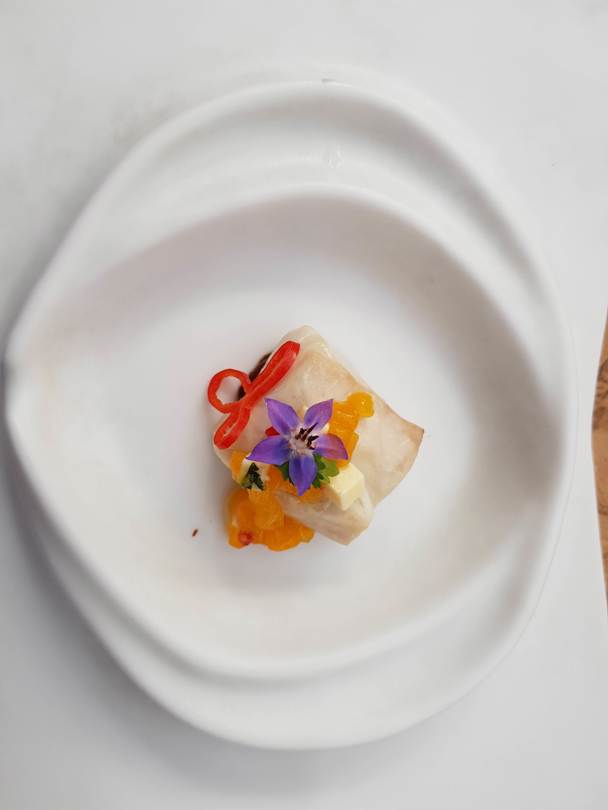
Tacu Tacu - invented by Afro-Peruvians, combining rice and a beans dumpling. Served with a fried egg and beef steak, and other variations.
Aji de Gallina - a chicken and chilli dish served with rice and potatoes.
Prawn Chowder - the Peruvian version that originated in Arequipa.
Causa - mash potatoes, salad and other ingredients whose origin comes from a war between Chile and Peru when the dish was a staple for the soldiers.
Lomo Saltado - the most popular meat dish blending Peruvian and Chinese influences with beef, cooked in the wok mixing Peruvian native ingredients including amarillo chillies, tomatoes and red onions.
Cooking Classes
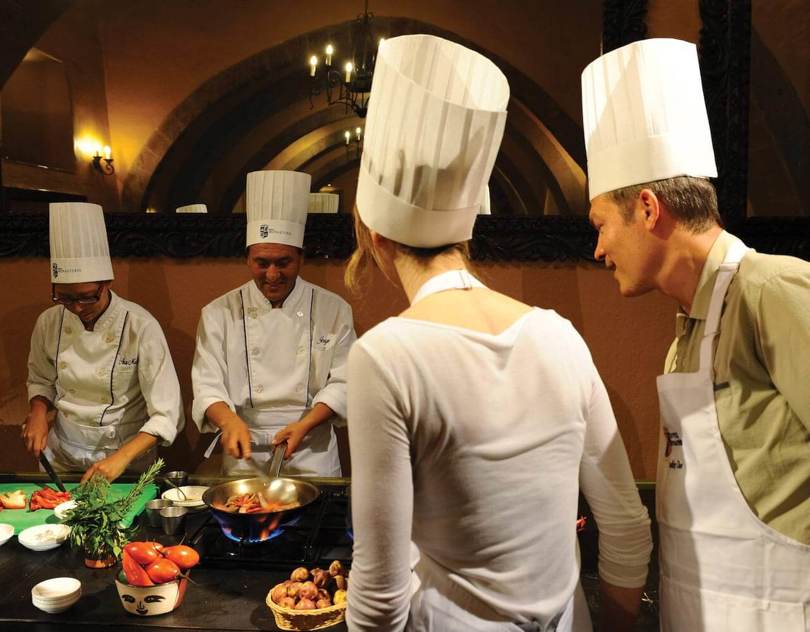
If the dishes above have whetted your taste buds, we can arrange cooking classes in Lima, Cusco, the Sacred Valley and other major places of interest in Peru. In Cusco, Monasterio de Cusco, A Belmond Hotel, offers a wonderful experience (pictured above).
One of the best is classes in the beautiful Sacred Valley on the Incas is at the Sol Y Luna Hotel. Here, you can take a tour of the hotel's organic garden to learn about the ingredients, and then spend two hours working alongside the talented Sol y Luna chef, learning how to create exquisite traditional and seasonal dishes using the freshest locally sourced ingredients. By the end of the two hour session, you will have prepared a three course traditional Andean meal, to be enjoyed at the Chef’s Table.
In Lima, one of the best classes includes a visit to a local produce market followed by a day of cooking getting hands-on with Causa Limeña - mashed potatoes, layer avocado and chicken, and a little spice that Peru is famous for. You make your own Ceviche, learn to craft the perfect Pisco Sour, and get advice from local chefs.
Deserts
Peruvian desserts are a delightful blend of indigenous ingredients, Spanish influences, and tropical flavours. Below are some of the most interesting traditional sweet dishes to enjoy on your trip:
Picarones - a ring-shaped doughnut made from sweet potato and squash, fried and served with a drizzle of * chancaca* (a syrup made from raw cane sugar, cinnamon, and cloves).
Suspiro a la Limeña - a creamy custard topped with a layer of meringue, often flavoured with port wine or vanilla.
Alfajores - shortbread-like cookies sandwiched with dulce de leche (manjar blanco) and dusted with powdered sugar.
Mazamorra Morada - a purple corn pudding made with dried fruits (pineapple, apple, quince), cinnamon, and cloves, served with rice pudding (arroz con leche).
Arroz con Leche - Peruvian-style rice pudding, cooked with cinnamon, cloves, and sometimes citrus zest.
Turrón de Doña Pepa - a layered, honey-glazed dessert made with anise-flavored dough, often shaped like a tree and decorated with colourful sprinkles.
Lucuma Ice Cream - ice cream made from the lucuma fruit, which has a maple-like flavour and a dry, starchy texture.
Cocona Cheesecake - a regional cheesecake made with cocona, a tropical fruit similar to tomato but used in desserts.
Quesohelado - a frozen dessert made from milk, coconut, and cinnamon, resembling a creamy, spiced ice.
Churros - are a popular street food treat, though Peru has put its own national twist on the Spanish classic. Peruvian churros tend to be made using a softer, bread-like dough and are hollowed out to make room for sweet fillings like dulce de leche or vanilla cream.
Drinks

If ceviche is Peru's national dish, then its most famous drink is undoubtedly a pisco sour. A cocktail invented by an American bartender in Lima, it is made from whipped egg white, sugar, lime or lemon juice and pisco - a grape brandy. Perhaps surprisingly, Peru also has an emerging wine industry, with the regions of Ica, Lunahuaná and coastal Pisco are the ones to look out for.
The wine industry in Peru dates back to the Spanish colonisation in the 16th century - they realised the climate on the Pacific coast is very favourable for producing wine. Until recently most grapes are used for making pisco, but now there is a growing industry of quality reds and wines from vineyards on the coast in Lima, Ica, Arequipa, Moquegua and Tacna. Although restaurants and bistros might serve Chilean or Argentinean wine, trying the local Peruvian wine will not disappoint.
There are many different beer brands to enjoy, with several taking their name from the region they are brewed in, such as Arequipeña or Pilsen Trujillo. More recently, craft beer has become very popular; the quality is exceptional. Local Peruvians drink beer from one big glass (rather than an individual glass), passing the glass around. It is all very sociable!
Peruvian Cuisine in London
Either before your trip or when you return from Peru, many of our clients like to enjoy delicious Peruvian fusion cuisine in London. Here are some of our favourites places:
Señor Ceviche - located in Kingly Court, the famous courtyard near Carnaby Street. It specialises in fish ceviche and meat barbecue and it is considered a hidden gem with authentic Peruvian food. Kingly Court, Kingly St, Carnaby, London W1B 5PW.
Lima Restaurant - Peruvian cuisine in a contemporary style, Lima was the only Peruvian restaurant to achieve a Michelin star, in 2013. It has a sister restaurant in Covent Garden called Lima Floral. 31 Rathbone Pl, Fitzrovia, London W1T 1JH.
Coya Restaurant - a modern Peruvian cuisine in Mayfair with three kitchens: the Ceviche Bar, the open charcoal grill and the central kitchen. Adjacent to the main dining room is the Pisco Bar specialising in original Pisco infusions. The food is top quality. 118 Piccadilly, Mayfair, London W1J 7NW.
Chotto Matte - taste Nikkei cuisine, a mixture of Japanese and Peruvian dishes. The quality of the food (and drink as well) is really high. The location and people are very stylish. 11-13 Frith St, Soho, London W1D 4RB.
Bon appétit!
View our portfolio of Private Tour Itineraries to match your interests and preferences. Select your criteria:
View More Tours
peru
14 Nights from £4,894

peru
14 Nights from £4,112

peru
22 Nights from £16,216

peru
6 Nights from £1,596

peru
15 Nights from £3,984

peru
15 Nights from £5,148

peru
15 Nights from £5,870

peru
14 Nights from £3,562

peru
13 Nights from £5,242

peru
14 Nights from £4,034

peru
7 Nights from £2,976

peru
14 Nights from £4,176