
In the shadow of beautiful snow covered peaks, discover the islands in this vast lake where the languages, customs and way of life has not changed for centuries.
Lake Titicaca is located on a plateau in the Altiplano (3,800 metres above sea level) in South Eastern Peru with a shared border with Bolivia. The freshwater lake is enormous, about 3,200 square miles, the highest large lake in the world and the largest lake in Latin America.
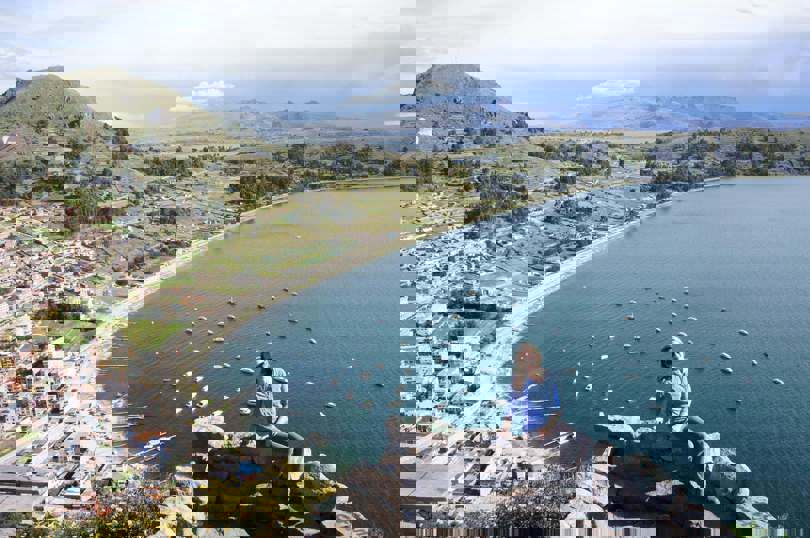
Tiquina Strait separates the lake into two, Lake Huinaymarca on the Bolivian side and Lake Pequeño on the Peruvian side. Many rivers feed into Lake Titicaca the largest, the Ramis, feeding about two-fifths of the entire Titicaca Basin. One small river, the Desaguadero, drains about 5% the lake; the rest of the water is lost through evaporation.
It is thought the lake is geologically over 3 million years old. Archeological evidence has shown that humans have lived on the lake since pre B.C. In the 16th century, pre-hispanic inhabitants began communities on the lake and its islands setting up Andean communities. Many of the descendants of these peoples, their languages, customs and textile art have survived to this day, including the Uru inhabitants of the lake and the Taquilenos from Taquile Island.
Local people also continue ancient farming methods particularly on the floating reeds. For centuries the Peruvian Quechua and Aymara lnatives have managed to sustain a productive lifestyle in this extraordinary region. Today we find colourful communities living on floating reed islands and deeply held traditions continuing to thrive, none more so than on Taquile island, where the colour of a man's hat is based on his marital status and where knitting is the sole domain of male inhabitants.
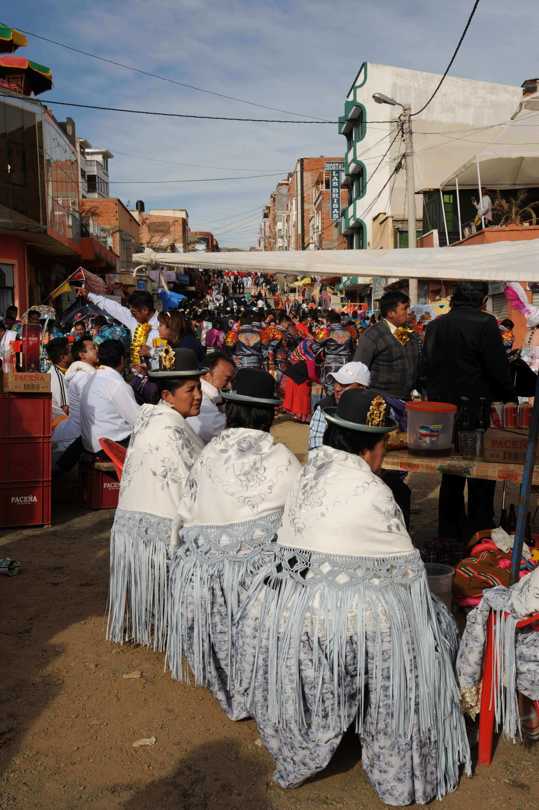
It is a fascinating and attractive region to explore, particularly with the scenic backdrop of the mighty Andes, where farm terraces lead to snow covered peaks. The views are awe-inspiring.
Lake Titicaca on the Peruvian side
Puno, on the shore of Lake Titicaca, is the town from where you travel by boat to the Uros Reed Islands and Taquille Island.
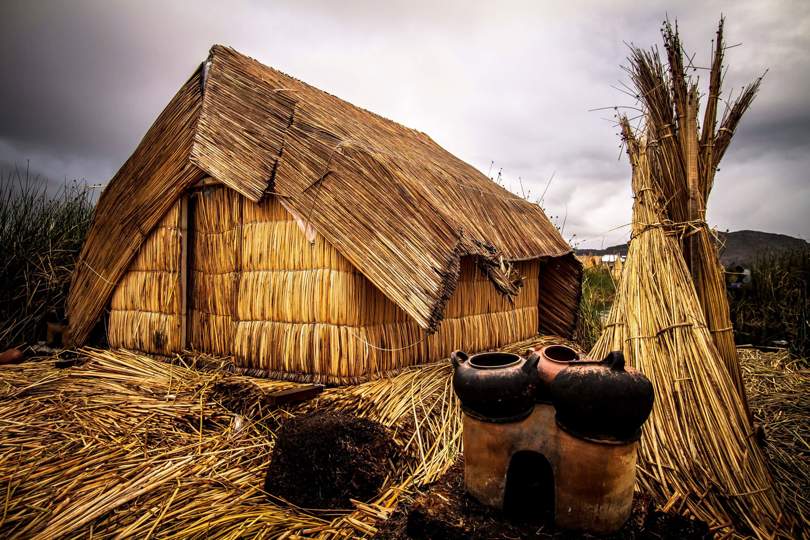
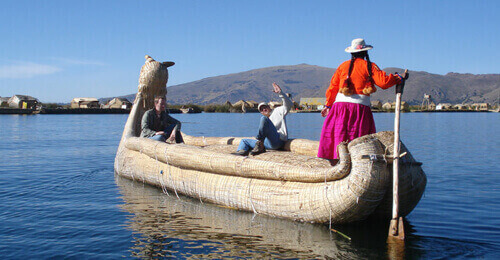
The Uros islands are located a short distance from the bay of Puno, and are a collection of floating islands man-made from the lake's vast supply of Totora reeds. The inhabitants have a unique way of life. Although the Uros Indians of the floating islands have intermarried with Aymara Indians and no pure-blooded Uros exist, many of the inhabitants of the islands still practice the old traditions of fishing, trapping birds and living on the lake plants. The totora reeds, which grow abundantly in the shallows of the lake, are used for their boats, houses and islands. The Indians began living on the reed islands over five hundred years ago when the Uros built the islands in an effort to isolate themselves from the Collas and the Incas.
Perhaps the most beautiful island on Lake Titicaca is Taquile Island with its fine views and the chance to meet the local inhabitants and understand their fascinating customs. The Quechua-speaking men and women still wear traditional dress, colour-coded according to their marital status, and live by the strict code of 'ama sua, ama llulla, ama qhilla' - do not steal, do not lie, do not be idle. You can also shop for some fine weavings, only available for purchase here. They are made by the island's men, who are the only ones permitted to knit and who can be seen doing so throughout Taquile.
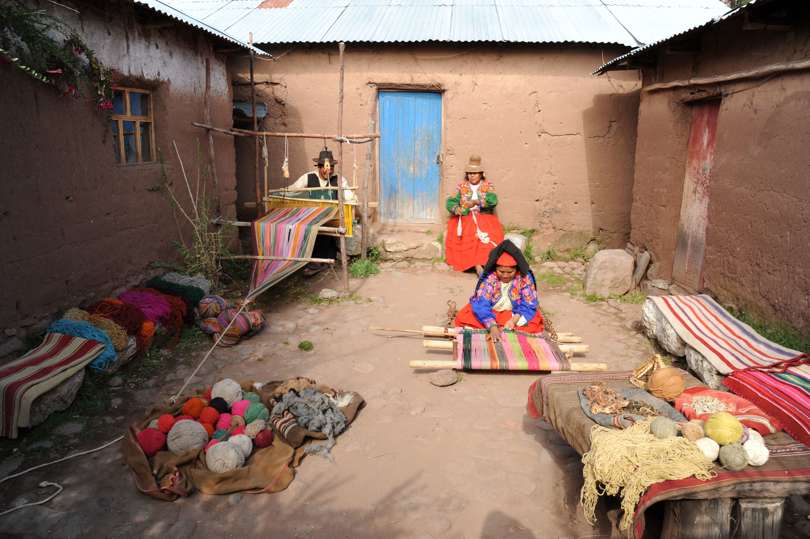
The beautiful island of Amantani is approximately 5 hours from the mainland. On arrival you can walk up to the top of the island to enjoy the spectacular views of the lake and the Andes cordillera in the distance. There are also some ancient Inca ruins here. Although the island is quite large, the population is small and is primarily an agricultural community.
Sillustani is a pre-Inca archaeological site on the shores of Lake Umayo, located 20 miles from Puno. This ancient burial site features the remains of large cylindrical and quadrangular tombs (chullpas), built by the Kollas and the Incas, the latter having wiped out the former. One of the most interesting aspects of these towers is the way they were built challenges the laws of equilibrium as they have a smaller diameter at the base than at the top. Outstanding among these are the Chullpas del Lagarto (lizard) and the Inti Watana.
Where to stay
Puno has a wide range of excellent hotels and lodges, in the town or lakeshore, such as the luxurious Titilaka Lodge.
Getting there
You cannot fly to Puno, but it is served by Juliaca airport, about an hour away by road. Juliaca has a number of daily flights from Lima, Cusco and Arequipa.
To travel in style, take the Andean Explorer train from Cusco to Puno - a full day luxurious train journey where you can watch the landscape unfold from the comfort of your seat and enjoy lunch served at your table. Or alternatively, travel by coach and stop off at various points along the journey from at some of the lesser known places of interest in Peru.
Combine Lake Titicaca with the Colca Canyon
It is possible to take a day trip from Puno to visit the spectacular Colca Canyon, home to souring condors.
Lake Titicaca on the Bolivian side
The main access to the lake on the Bolivian side is the quaint town of Copacabana, that retains more of its original charm and atmosphere than its equivalent (Puno) on the Peruvian side. The town is dominated by the grand 16th century Basilica of Our Lady of Copacabana, a shrine to the image of the Patron Saint of Bolivia. The Fiesta de la Virgin de la Candelaria in February brings Copacabana alive with colourful displays of traditional dancing, feasting and a Spanish style running of the bulls, as people descend on the town from far and wide to make what remains an important pilgrimage.
From here you head out by boat to the traditional Isla de la Luna and the Isla del Sol, the largest of all the islands on Lake Titicaca.
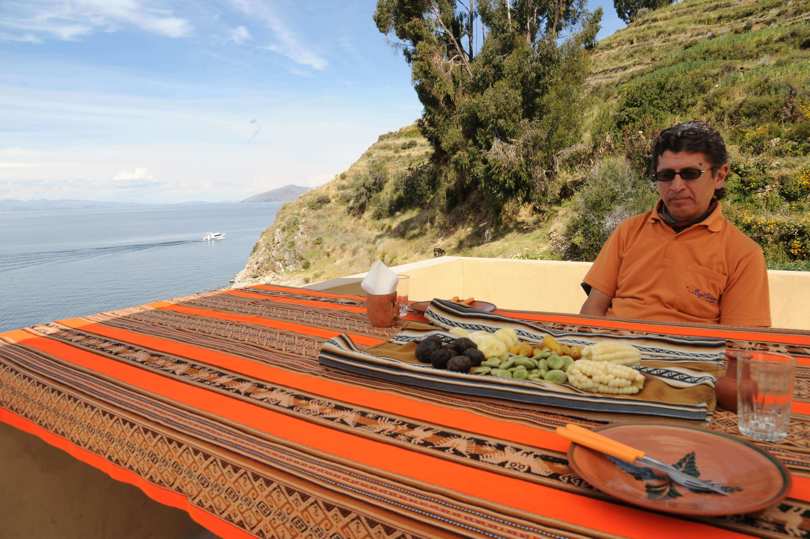
Sun Island is a remote island with no vehicles and basic farming on rocky agricultural terraces. There are some 800 families living on the island and two small villages. Subsistence farming and fishing are the main activities, supplemented by a bit of tourism. The island also has over 80 pre-inca ruins, with people living on the islands since the 15th century. It is from here that the Inca god Viracocha was said to have emerged to create the sun and at 3,812 metres above sea level, it is harder to get much closer to it. Lake Titicaca will leave you breathless in more ways than one.
With no cars and little in the way of commercialisation, Isla del Sol is the perfect place to experience the tranquillity of the lake and view the distant Andes mountains of the Cordillera Real. A visit here will give you a deeper understanding and appreciation of local life, from those who have lived on the Island for generations. Some beautiful hikes can be made, stopping at ancient landmarks and ruins dotted around the island, such as the Inca sacrifice table, Fountain of Youth and the Titi Kharka (Rock of the Puma) - from which the lake was said to have been named. The climb up Cerro Calvario leads you away from the centre to a tranquil (and spiritual) lookout point, affording splendid views back down to the town and the shores of Lake Titicaca.
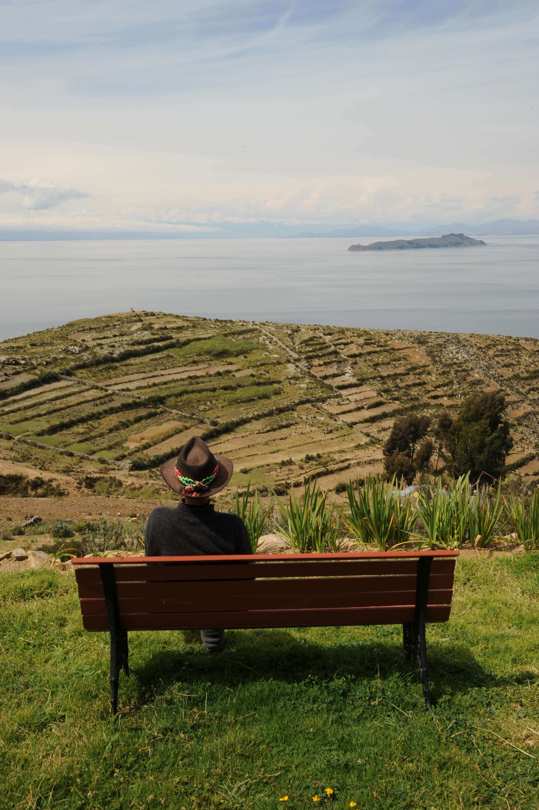
It is possible to stay overnight on Sun Island. We recommend the authentic Ecolodge La Estancia.
Despite losing its coastline to Chile in the late 19th century and subsequently becoming landlocked, Bolivia has maintained and funded any army ever since, which is now based at Lake Titicaca. The navy use the Bolivian half of the water for their exercises, in the hope they one day they will recover the access to the sea that they see as rightfully theirs.