
Few places in the world are better for viewing wildlife than the Pantanal wetlands, a mosaic of lakes, rivers and forest in an area the size of England.
Each year the landscape of the Pantanal is transformed into a watery wonderland as water levels rise to flood the lowland savannahs and wetlands, creating vast areas of shallow lagoon with great open expanses and fantastic opportunities to watch the magnificent array of animals. The lack of dense vegetation offers one of the best bird and wild-life spotting experiences imaginable, with the various habitats of the Pantanal creating an extremely rich and varied ecosystem.
There are thousands of exotic plants and hundreds of species of birds, mammals, fish and reptiles calling the Pantanal their home and it is an important rest-stop for migratory birds. The dry season brings storks to shallow waters to feed.
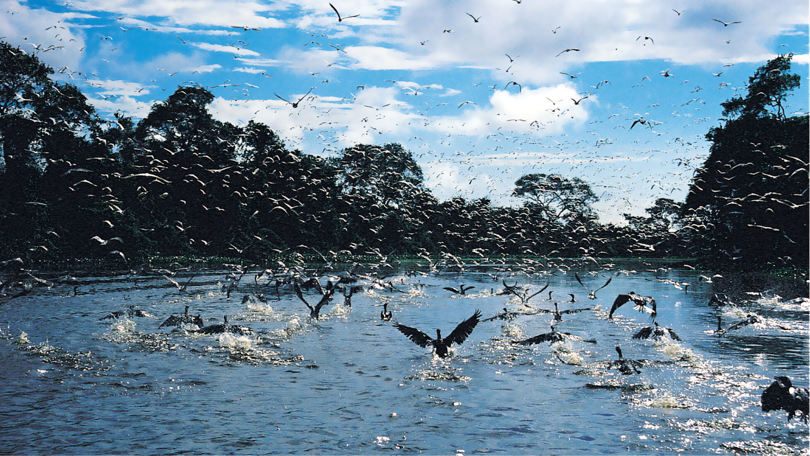
Below is our guide on when to visit.
Dry Season (June–October) - peak wildlife viewing
- Why? Water levels recede, concentrating animals around rivers, lagoons, and waterholes. Wildlife is easier to spot, and boat tours are highly productive.
- Best for: Spotting jaguars, caimans, capybaras, giant otters, and hundreds of bird species.
- Downside: Some areas may be harder to access due to muddy or rough terrain.
Transition to the Wet Season (April–May)
- Why? Flooding starts to recede, but water levels are still high. This is a great time for birdwatching and seeing aquatic species.
- Best for: Hyacinth macaws, jabiru storks, and other waterbirds. Fewer tourists compared to the peak dry season.
- Downside: Some roads may become impassable, and boat access is still excellent.
Wet Season (November–March)
- Why? The Pantanal transforms into a vast wetland, with stunning landscapes and abundant fish and caimans.
- Best for: Photography, birdwatching (including migratory species), and experiencing the “flooded forest” ecosystem.
- Downside: Many areas are inaccessible by road, and wildlife is more dispersed. Ideal for those who prefer solitude and unique landscapes.
Shoulder Months (April–May and October–November)
- Why? These months offer a balance between accessibility and wildlife activity. Flooding is receding or starting, but crowds are smaller.
- Best for: A quieter experience with good wildlife sightings.
Best Time for Jaguars
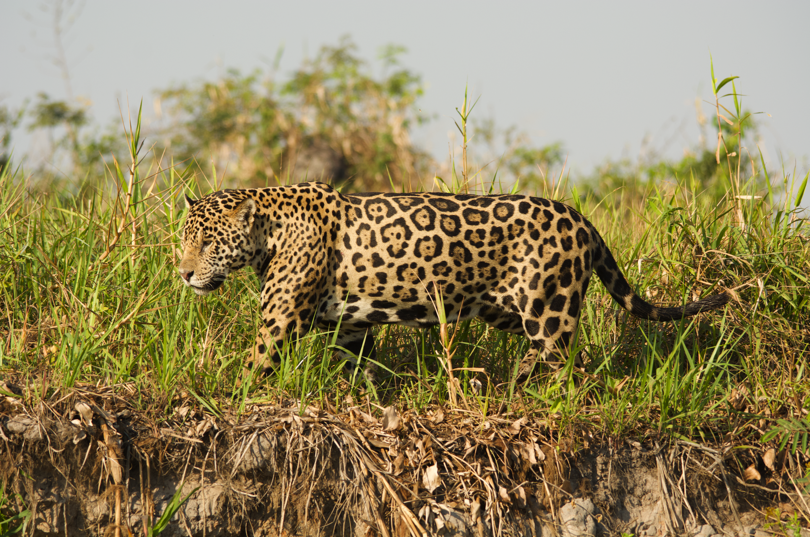
If your priority is seeing jaguars, June–October (dry season) is ideal. Jaguars congregate near rivers and lagoons as water levels drop, making them easier to spot from boats.
Best Time for Birdwatching
- October–March: Migratory birds are present, and the landscape is lush and green.
- April–September: Resident birds are more active, and nesting season peaks.
Tour Suggestions

brazil
Brazil Nature - Wetlands, Cerrado, History & Beach - Codorna Tour
15 Nights from £6,998
Brasilia - Pantanal Wetlands - Chapada Eco-System - Salvador Heritage - Praia do Forte Beach

brazil
Brazil Nature - Inland Eco-Systems, Immersive - Jacana Tour
15 Nights from £7,364
Brasilia - Birdwatching Pantanal Wetlands - Cerrado National Park - Manaus - Amazon River Lodge

brazil
Brazil Nature - City & Island Life, Birdwatching & Pantanal Wetlands Cruise - Jaguar Tour
18 Nights from £8,818
Rio de Janeiro - Iguassu Falls - 4-night Pantanal wetlands cruise - Serra des Orgaos mountains - Pariti - Illa Grande

brazil
Brazil Nature - Wetlands, Amazon, History & Beach - Caiman Tour
15 Nights from £5,816
Rio de Janeiro - Pantanal Wetlands - Manaus - Amazon - Salvador - Praia do Forte Beach

brazil
Brazil Nature - Birdwatching & Cerrado Vegetation - Chapada Tour
12 Nights from £5,468
Brasilia - Pantanal Birdwatching Wetlands - Central Plateau Cerrado Flora & Fauna


Accommodation


Frequently Asked Questions
Every journey is unique, and questions are part of the process. This FAQ covers the most common topics to help you prepare, while our advisers are always on hand for more personal guidance.
Best time to visit Pantanal
Best time to visit Pantanal?
The Pantanal offers rewarding wildlife experience throughout the year, with each season revealing a different side of this remarkable wetland. The dry season from May to September is ideal for spotting jaguars, giant anteaters and other wildlife, while the wetter months transform the landscape into a haven for birds and aquatic species.
Top things to do in the Pantanal
What Are the top things to do in the Pantanal?
Experience one of the world's greatest wildlife destinations on guided safaris by vehicle, boat or on foot, watch for jaguars, giant otters, capybaras and hundres of bird species, enjoy peaceful river cruises, and stay at a traditional wildlife lodge surrounded by the extraordinary landscapes of the Pantanal.
Why visit the Pantanal
As the world's largest tropical wetland, the Pantanal offers some of South America's finest wildlife viewing. Its exceptional biodiversity, open landscapes and excellent opportunities to observe animals in their natural habitat make it an unforgettable destnation for nature enthusiasts and photographers.
Specialist Knowledge
Since 1999, we have crafted unique itineraries using our technology and extensine first-hand travel experience and local inspections
Your Perfect Tour
Your holiday is tailored by our specialist advisors to match your preferences, interests and budget using our kowledge of each destination
The Best Local Guides
Our local guides are specialy selected as your hosts providing an authentic insight into local life, culture, activities and visits
Travel Confidence
Our organisation provides local tour services and guides so you travel with confidence, reliability and 24-hour support